Raato Ghar

What Makes Nepali Sekuwa So Popular in Granville and Western Sydney

Sekuwa is one of Nepal’s best-known grilled meat dishes, but many diners in Sydney are still only beginning to discover it. Known for its smoky flavour, spice-rich marinade, and fire-cooked finish, sekuwa brings something both familiar and exciting to the table. It satisfies the universal love of grilled meat while offering a distinctly Nepali flavour profile shaped by ingredients such as garlic, ginger, chilli, cumin, coriander, turmeric, mustard oil, and, in some versions, timur.

In Granville, Raato Ghar already includes goat sekuwa within a broader Nepali and Indian menu, and the suburb itself shows visible signs of a growing Nepali food presence. That makes sekuwa a strong dish to spotlight, not only because it is deeply rooted in Nepali food culture, but also because it fits naturally into the way Western Sydney likes to eat: socially, generously, and with curiosity about flavour. 

If you are looking for a dish that feels authentic, memorable, and ideal for sharing, sekuwa deserves a place very high on your list. It is bold without being complicated, distinctive without being unfamiliar, and one of the clearest ways to understand why Nepali food continues to earn attention across Sydney. 
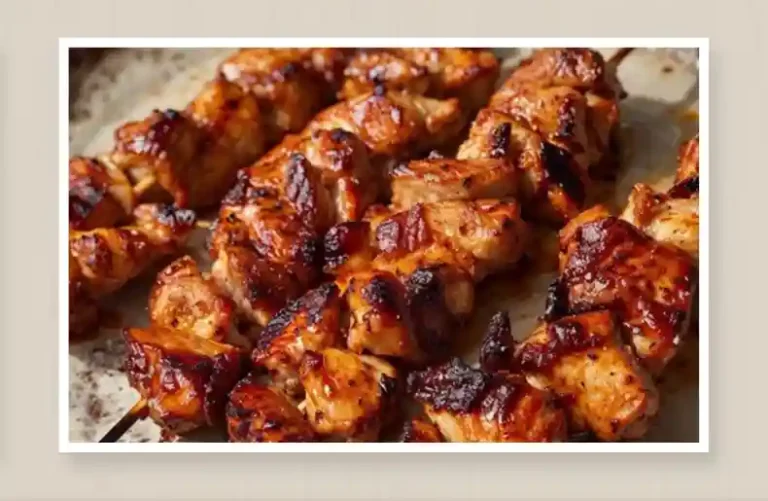
If you have never had sekuwa before, the easiest way to understand it is to picture beautifully marinated meat cooked over a real flame until the outside picks up a gentle char and the inside stays tender and juicy. That simple description does not fully capture its appeal, because sekuwa is more than a grilled meat dish. It is part of a larger Nepali food culture built around gathering, sharing, talking, and eating food that feels both comforting and full of character. 

At Raato Ghar in Granville, sekuwa sits naturally among the menu’s other Nepali and Indian highlights, including hand-folded momo, spicy jhol, biryani, chatpate, chowmein, curries, and street-style snacks. That matters because sekuwa is often best appreciated not in isolation, but as part of a wider meal where different textures, spice levels, and serving styles come together.
For many diners across Sydney, Nepali food still begins with momo, and for good reason. Momo is easy to love, easy to share, and widely recognised. But once people move beyond dumplings and start exploring grilled dishes, sekuwa often becomes the next discovery that leaves a lasting impression. It has the sort of flavour that makes people pause after the first bite, not because it is extreme, but because it is balanced, smoky, and memorable in a way that feels different from the grilled meat dishes many Australians already know. 

Table of Contents

Key Takeaways

  • Sekuwa is a traditional Nepali grilled meat dish made by marinating meat with spices and cooking it over charcoal or open flame, which gives it a smoky aroma and a lightly charred finish.
  • The dish is commonly prepared with chicken, goat, pork, buffalo, lamb, or mutton, depending on the recipe, region, and restaurant style.
  • At Raato Ghar in Granville, sekuwa appears on the menu alongside momo, chowmein, biryani, chatpate, pani puri, curries, and other dishes that make it easy to build a full Nepali and Indian dining experience.
  • Granville is a strong local place to talk about sekuwa because Raato Ghar and other nearby Nepali food references show that the suburb already has visible Nepali dining activity.
  • Sekuwa works especially well for social meals, group dinners, casual catch-ups, and late-night dining because it pairs naturally with other share-friendly dishes.

What Is Sekuwa?

Sekuwa is a traditional Nepali grilled meat dish made by marinating small pieces of meat in a mixture of spices and then cooking them over charcoal or open flame. Across different descriptions of the dish, the defining elements remain consistent: fire, smoke, spice, and tenderness.
 
The marinade is central to the identity of sekuwa. Common ingredients include garlic, ginger, chilli, cumin, coriander, turmeric, mustard oil, and salt. Some preparations also include yoghurt or lemon juice to help tenderise the meat, while other versions highlight fenugreek or timur for extra aroma and depth. The result is not a heavy, sauce-covered dish, but something more direct and vivid. The marinade seasons the meat deeply, and the grill brings everything into focus.
One of the reasons sekuwa remains so loved in Nepali food culture is its flexibility. It can be served as a starter, a bar snack, a sharing plate, or part of a fuller meal. It can appear at family gatherings, street-food-style settings, celebrations, and restaurant menus. That flexibility helps explain why it adapts so well to Sydney’s dining culture too, especially in suburbs where people enjoy ordering a variety of dishes for the table.

Traditional versions of sekuwa may use chicken, goat, pork, buffalo, lamb, or mutton depending on region, household preference, community, or venue. That range also makes it easy for restaurants to offer their own version while still respecting the spirit of the dish. At Raato Ghar, the menu specifically highlights slow-cooked goat sekuwa, placing it alongside other Nepali favourites that create a strong sense of culinary identity.

What Does Sekuwa Taste Like?

The first thing most people notice about sekuwa is the smoky aroma. Before it even reaches the table, it already signals something different.
That smoky scent comes from the charcoal or flame-based cooking method, which is a major part of the dish’s appeal. Once you taste it, the next layer is the marinade: savoury, spiced, warming, and often slightly tangy depending on the recipe.

Sekuwa is not usually the kind of dish that depends on a thick sauce or a sweet glaze. Instead, the flavour tends to come through in a cleaner, more focused way. Garlic and ginger bring sharpness, cumin and coriander add depth, chilli gives energy, and mustard oil contributes a distinctive savoury note that sets the dish apart from many other grilled meat styles. If timur is used, it can bring a subtle citrus-forward lift and a faint tingling quality that makes the flavour even more memorable.
Texture is just as important. Good sekuwa should have lightly charred edges that give each bite contrast, but the interior should remain juicy and tender. That balance between fire and moisture is what turns sekuwa from a simple grilled item into something people remember and come back for.
Another reason sekuwa appeals so broadly is that it feels both rustic and refined at the same time. It has the everyday comfort of grilled meat, but the spice profile gives it an extra layer of sophistication.

That is one reason it fits so naturally into a place like Raato Ghar, where the wider menu already combines traditional comfort with a restaurant setting designed for family dining, social meals, and celebrations.

Looking to try authentic sekuwa in Sydney?

Visit Raato Ghar in Granville and enjoy smoky Nepali barbecue, hand-folded momos, bold street food flavours, and a warm dine-in experience all in one place. Explore the menu or book your table today

How Sekuwa Differs From Kebabs and Standard Barbecue

At a glance, some people may assume sekuwa is just another version of kebab or barbecue. There is some overlap, of course, because all of these involve grilled meat. But once you look closer, the differences become clearer. Sekuwa is defined not just by being grilled, but by the specifically Nepali way it is marinated, flavoured, and culturally understood.
Compared with many Indian kebab styles, sekuwa tends to feel more directly connected to open-fire smoke and rustic grilling. Compared with Western barbecue, it is usually less about thick sauces, sweetness, or long smoking processes, and more about spice layering, grill heat, and the clean taste of the meat after marination.
For diners, this difference matters because it gives sekuwa a distinctive place on the menu. It offers the comfort and satisfaction of grilled meat while still feeling culturally specific and fresh. That combination can be especially compelling in Sydney, where diners often want to try something new without moving too far from familiar formats like skewers, platters, and share plates.
This is also why sekuwa deserves to be discussed on its own rather than simply mentioned as one item within a larger list of Nepali foods. It has enough character, history, and flavour variation to stand as a flagship dish. In many ways, it is one of the most direct introductions to Nepali barbecue culture that a diner can have.

Why Granville Is the Right Local Angle

Granville is one of the strongest local settings for this topic because the suburb already shows signs of visible Nepali food activity. Raato Ghar is based there and presents itself as a destination for authentic Nepali and Indian food, while other nearby food references also show menu items such as sekuwa and momo in the area.

That local visibility is important. It means sekuwa is not being introduced as a theoretical dish or a distant cultural reference. It is already part of the local dining conversation. Diners in Granville and surrounding parts of Western Sydney have the chance to experience it in a suburb where Nepali food is increasingly present and recognisable. 
Raato Ghar strengthens that local relevance because the venue is not positioned as a one-dimensional takeaway shop. Its indexed website content presents it as a place for dine-in meals, celebrations, group dining, events, catering, late-night visits, and broader social experiences. In that kind of setting, sekuwa gains extra meaning because it is not just food. It becomes part of the reason people gather.

Granville also works well as a search-led location because it sits within the orbit of Parramatta and wider Western Sydney dining patterns. People looking for something interesting to eat often search by suburb, by cuisine, or by dish. A dish like sekuwa can therefore serve two purposes at once: it answers curiosity about Nepali barbecue, and it helps position Granville as a destination for people who want to go beyond predictable restaurant choices.

Why Sekuwa Works So Well for Social Dining

Some dishes are better ordered alone. Sekuwa is not really one of them. It shines brightest when it is part of a table filled with variety. Because it is grilled, bite-sized, and full of flavour, it is ideal for sharing. It can start the meal, sit in the middle of the table as a key dish, or act as the thing everyone reaches for between conversations.
Raato Ghar’s existing content about group dining already highlights how well Nepali snacks, momo, platters, curry dishes, noodles, and other items work in social settings. Sekuwa fits naturally into that logic. It is easy to pair, easy to serve, and easy for mixed groups to enjoy even if they are ordering a wide range of dishes.
This social quality matters because it matches the way many people in Western Sydney like to eat. Family dinners, birthday meals, after-work catch-ups, and late-night stops often revolve around ordering multiple dishes rather than individual plates only. That is where sekuwa becomes especially valuable. It offers a grilled, smoky anchor that complements softer, saucier, or more snack-style items.
At Raato Ghar, that broader context is already built into the dining experience. The venue content emphasises a warm atmosphere, authentic flavours, entertainment, and occasions that go beyond a quick meal. When food is part of a wider social evening, dishes like sekuwa tend to feel even more at home.

What to Order With Sekuwa

One of the easiest ways to enjoy sekuwa is to pair it with dishes that complement both its texture and its flavour intensity. At Raato Ghar, the menu makes this easy because it already includes a wide mix of Nepali and Indian items such as momo, jhol, chowmein, biryani, chatpate, pani puri, curries, and plate-style options.

Momo is one of the best pairings because it creates contrast. Sekuwa brings smoke and char, while momo brings softness and dipping-sauce richness. If you add jhol momo specifically, the meal gets even more contrast through broth and spice. That kind of variation makes the overall experience more satisfying and helps first-time guests explore different sides of Nepali food in a single sitting.
Chowmein is another strong pairing because it adds comfort, volume, and a familiar noodle base. Chatpate and pani puri bring crunch, tang, and street-food energy. A biryani or curry-based dish can help round out the table for people who want something heavier, while a platter or set-style dish may suit groups looking for a more complete shared spread.

For diners who want to explore the menu more deeply, the most useful starting point is the Raato Ghar menu, which highlights slow-cooked goat sekuwa alongside momo, chowmein, biryani, chatpate, pani puri, thali-inspired dishes, and other favourites.
If you are planning a larger meal with family or friends, the blog on what to order for a group dinner at Raato Ghar is a natural next read because it explains how to combine share plates, platters, snacks, set meals, and mains for different kinds of groups.

Why Sekuwa Deserves More Attention in Sydney

Every cuisine has a few dishes that act as a gateway. For Nepali food, momo is often the first. But once diners want to go a step further, sekuwa has everything needed to become one of the next major favourites. It is accessible because grilled meat is universally understood. It is memorable because the flavour profile is distinctive. And it is culturally rich because the dish is tied so closely to Nepali fire cooking and social food traditions. Sydney’s food culture rewards dishes that combine authenticity with approachability. That is one of the strongest reasons sekuwa has real potential to grow in awareness. It does not ask the diner to learn an entirely new way of eating. It simply asks them to taste grilled meat through a different cultural lens.
Raato Ghar is well placed within that story because it already presents itself as more than a place to eat. Its website content highlights ambience, hospitality, group dining, entertainment, late-night visits, and broader food experiences. In that environment, a dish like sekuwa becomes part of a fuller identity rather than just another menu option.
For readers who want to understand how Raato Ghar positions its cuisine more broadly, the article on why Raato Ghar is the go-to spot for Indian and Nepali cuisine in Granville gives useful context around the venue’s dual-cuisine approach, its menu philosophy, and its emphasis on authentic Nepali flavours.

The Bigger Experience Around the Dish

A dish like sekuwa does not exist in isolation. It is part of the atmosphere in which it is served. That is one reason it is worth thinking about not only what sekuwa tastes like, but where and how it is enjoyed. Raato Ghar’s broader content makes it clear that the venue is designed around more than one reason to visit: food, celebrations, pool, group catch-ups, and the overall experience of dining out rather than simply ordering a meal.

That broader setting matters because it changes how people remember a dish. A smoky grilled plate ordered at the right moment, during a relaxed evening with friends or at a family table with several dishes circulating, is more likely to become something people talk about afterwards.

Frequently Asked Questions (FAQs)

Sekuwa is a traditional Nepali grilled meat dish made with marinated meat cooked over charcoal or open flame. It is known for smoky flavour, bold spice, and a tender interior with lightly charred edges.

Sekuwa is usually well-spiced and flavourful, but the heat level can vary depending on the recipe, marinade, and restaurant style. 

Common versions use chicken, goat, pork, buffalo, lamb, or mutton depending on tradition and preparation style. 


Not exactly. It shares the grilled meat idea, but sekuwa has a distinct Nepali spice profile, cultural background, and open-flame character that make it different. 

Sekuwa pairs well with momo, chowmein, chatpate, pani puri, biryani, curry dishes, and other share-friendly plates.

Granville is a strong local option because Raato Ghar includes goat sekuwa on its menu and the suburb shows visible Nepali dining references where sekuwa appears. 

Final Summary

Sekuwa is one of the clearest examples of what makes Nepali food special. It is smoky, warm, deeply seasoned, and rooted in a cooking tradition that values flavour, sharing, and the direct power of fire. For diners in Sydney, it offers a way to step into Nepali cuisine through something that is both accessible and culturally distinctive.
Granville is the right place to tell this story because Raato Ghar already serves goat sekuwa as part of a wider menu that includes many of the dishes people most want to explore alongside it, from momo and chowmein to chatpate, biryani, and curries. Combined with the venue’s focus on group dining, atmosphere, and broader social experiences, sekuwa feels less like a hidden menu item and more like a dish ready for more Sydney diners to discover.
If you are looking for something that brings together flavour, smoke, tradition, and a genuinely enjoyable dining experience, sekuwa deserves your attention. And if you are looking for sekuwa in Sydney, Raato Ghar in Granville is a natural place to start.

Leave a Reply

Your email address will not be published. Required fields are marked *